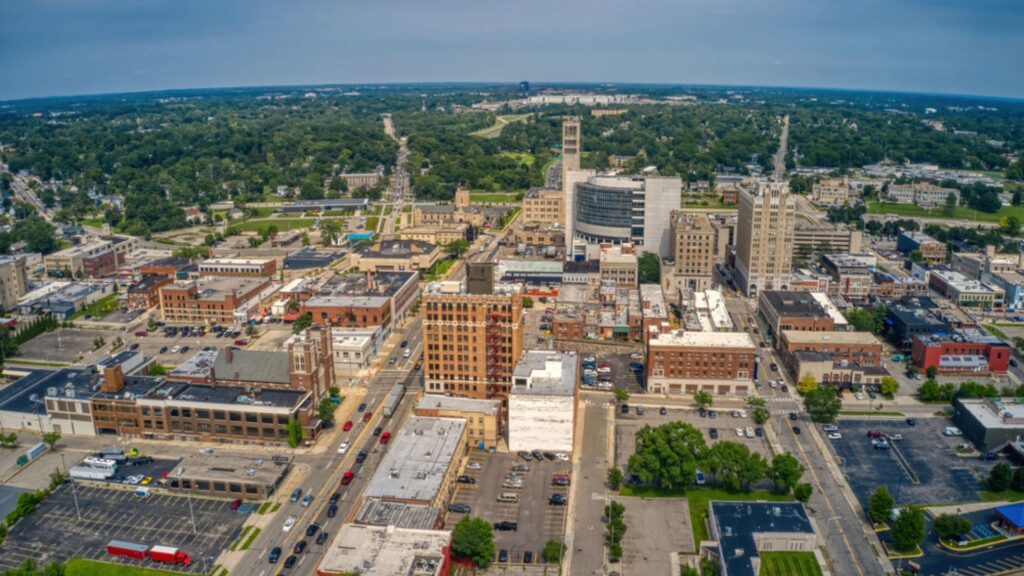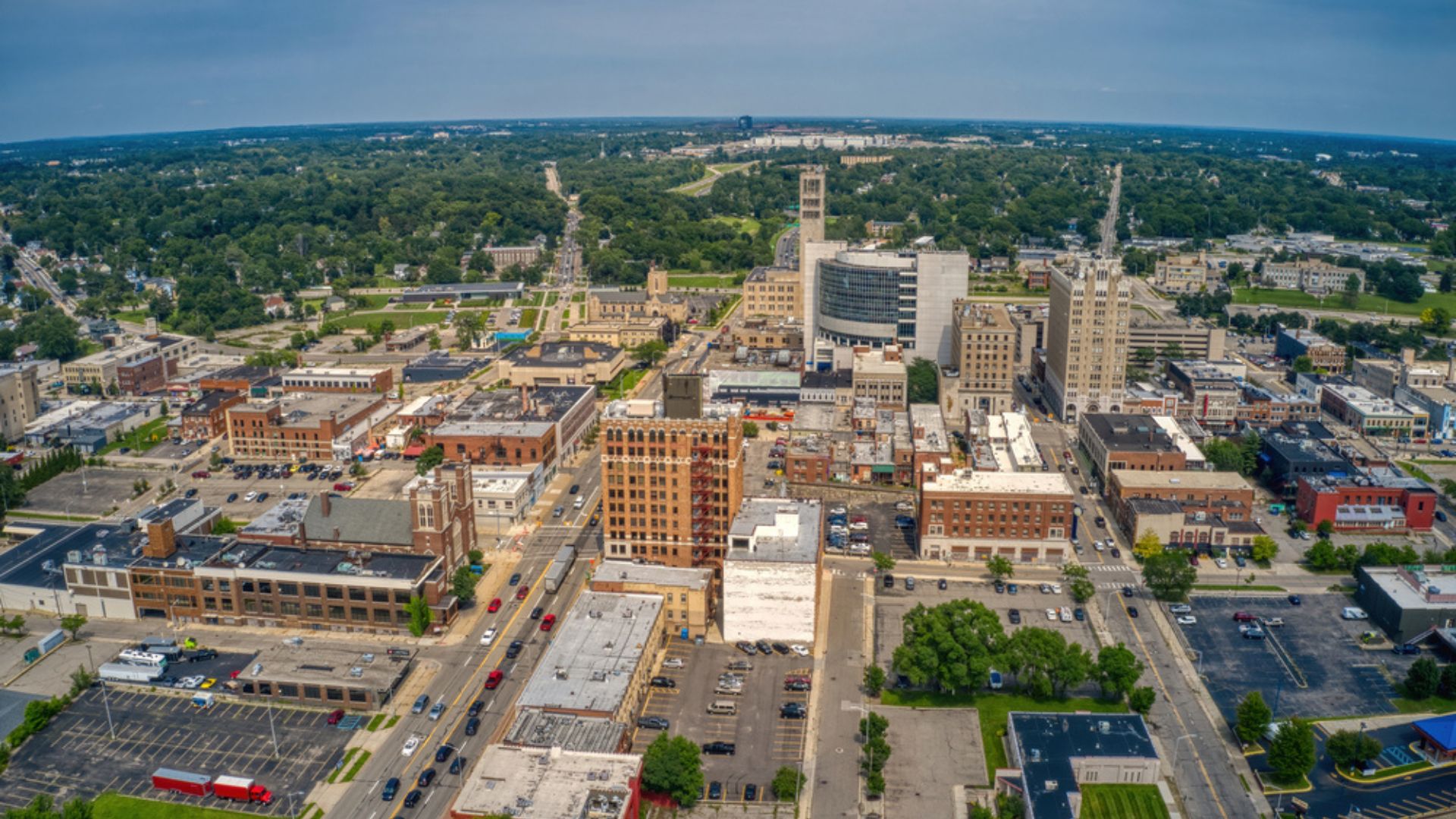
Pontiac, Michigan, has long been a city defined by resilience, reinvention, and opportunity. From its automotive heritage to its modern redevelopment efforts, Pontiac continues to evolve. As new housing projects, infrastructure upgrades, commercial renovations, and mixed-use developments emerge, one factor consistently determines success: access to qualified local contractors.
Yet despite growing investment interest in Pontiac, many developers and municipalities still struggle to efficiently identify reliable local tradespeople. This is where centralized contractor registries become not just helpful — but essential.
The Problem: Fragmented Access to Local Talent
When a development project begins in Pontiac, the process often starts with assembling teams of licensed contractors. Plumbing, electrical, carpentry, HVAC, masonry, and general contracting professionals are all needed. However, finding qualified contractors that are:
• Properly licensed
• Insured
• Local
• Available
• Section 3 eligible
can become time-consuming and disorganized.
Developers may rely on outdated spreadsheets, word-of-mouth referrals, or cold outreach. Municipalities may struggle to verify compliance documentation quickly. Meanwhile, capable local contractors miss out on opportunities simply because they are not visible.
A centralized contractor registry solves this.
What a Registry Actually Does
A properly structured registry organizes contractors by:
• Trade category
• Licensing and insurance status
• Service area
• Certifications
• Section 3 eligibility
Instead of chasing contacts, developers can submit project requirements and receive filtered results.
This reduces delays and supports transparency.
Pontiac’s Growth Demands Efficiency
Pontiac is experiencing renewed attention in residential redevelopment, commercial rehabilitation, and infrastructure investment. With that growth comes a responsibility to ensure:
• Local businesses benefit
• Workforce development aligns with projects
• Compliance requirements are met
Without an organized system, local hiring goals become harder to track and enforce.
A registry creates infrastructure behind the scenes — not physical infrastructure, but economic infrastructure.
Supporting Section 3 Compliance
Section 3 requirements prioritize economic opportunities for low-income individuals and local businesses during federally funded housing and infrastructure projects.
In Pontiac, where redevelopment intersects with housing initiatives, Section 3 is not optional — it is often mandatory.
A registry that tracks Section 3 contractor status makes compliance manageable rather than stressful.
Visibility for Local Contractors
Many skilled trades professionals in Pontiac do excellent work but lack marketing infrastructure. They rely on referrals and repeat clients.
Being included in a centralized registry:
• Increases visibility
• Expands project access
• Levels the playing field
For smaller contractors, this can mean the difference between stagnation and growth.
Long-Term Community Impact
When local contractors are hired:
• Revenue stays in the community
• Jobs circulate locally
• Skills remain regional
• Economic stability improves
Pontiac does not just need projects. It needs systems that ensure projects benefit its people.
Centralized registries are part of that system.