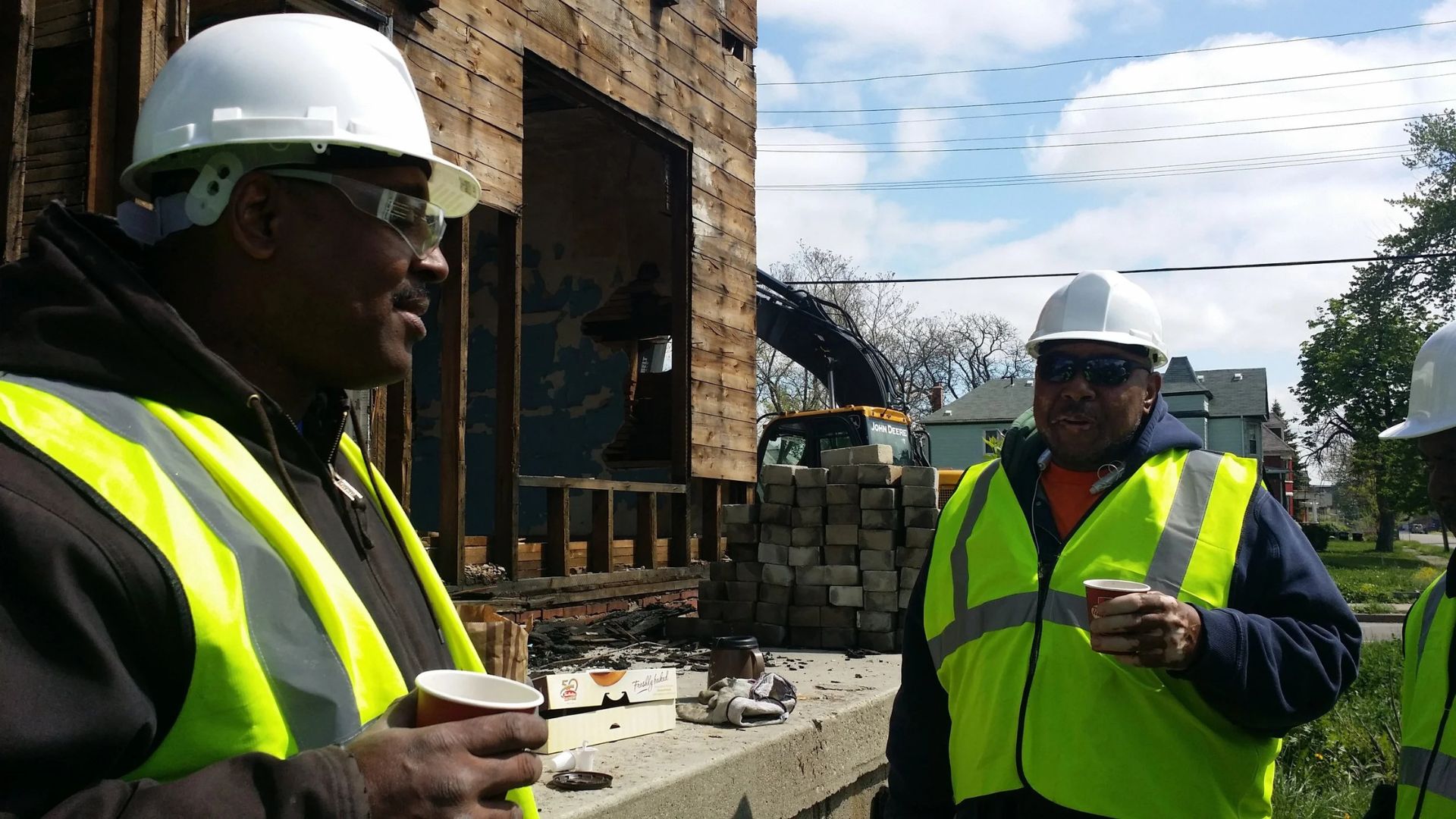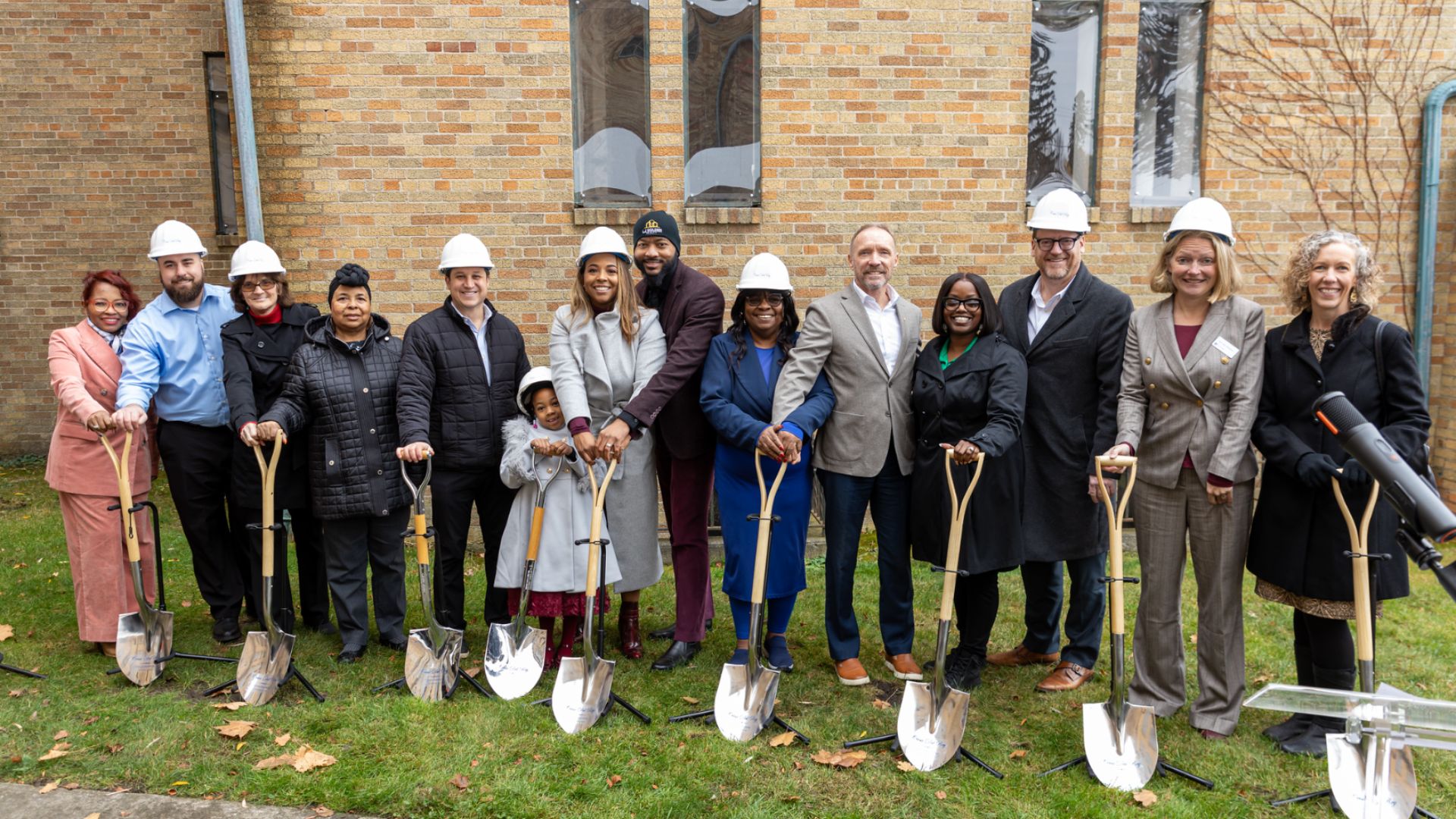
Section 3 is often discussed in compliance terms. Paperwork. Reporting. Eligibility verification.
But in Pontiac, Michigan, Section 3 is about something bigger — access.
As development increases across housing, commercial spaces, and infrastructure improvements, Section 3 requirements aim to ensure that economic opportunity reaches those who need it most.
What Is Section 3?
Section 3 is a federal regulation requiring that certain HUD-funded projects provide job and contracting opportunities to low-income individuals and local businesses.
In practice, this means:
• Hiring eligible workers
• Contracting with eligible businesses
• Tracking and reporting compliance
For developers operating in Pontiac, Section 3 is not an afterthought. It is integrated into project planning.
The Pontiac Context
Pontiac has experienced economic shifts over the decades. While redevelopment efforts continue, many residents still face barriers to stable employment.
Section 3 aims to bridge that gap.
When a housing rehabilitation project, infrastructure improvement, or community development initiative launches in Pontiac, Section 3 requirements ensure:
• Local workforce inclusion
• Access to skilled trades training
• Economic participation
The Challenge Developers Face
Compliance can be complicated.
Developers must:
• Verify worker eligibility
• Track contractor eligibility
• Maintain documentation
• Report participation metrics
Without centralized systems, this becomes administrative overload.
A Structured Approach
When contractor registries and workforce programs integrate Section 3 tracking, compliance becomes manageable.
Tagging workers and contractors as:
• Verified Section 3
• Likely Eligible
• Not Eligible
allows projects to move forward without confusion.
Economic Impact in Pontiac
Section 3 creates:
• Income growth
• Skill development
• Pathways into skilled trades
• Increased local business capacity
Instead of outside firms dominating projects, local participation grows.
That creates multiplier effects throughout the city.
Why It Matters Long-Term
When workforce participation increases in Pontiac:
• Families gain stability
• Small businesses expand
• Youth see career pathways
• Community pride strengthens
Section 3 is not just a regulation. It is reinvestment.
And Pontiac benefits most when systems are built to support it efficiently.