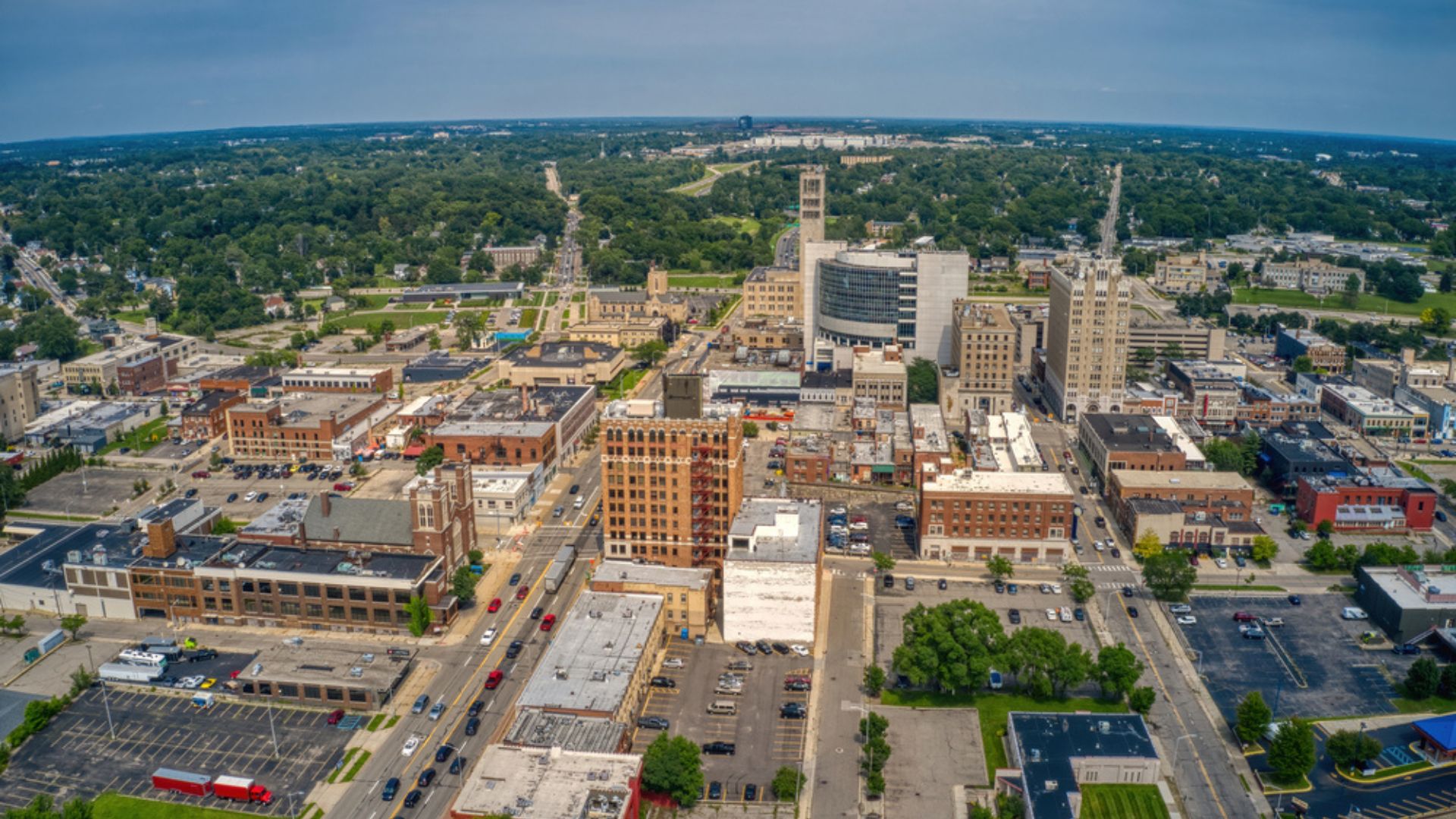
Pontiac, Michigan has deep industrial roots. Skilled labor has always been central to its identity.
Today, as construction, renovation, and infrastructure projects increase, the demand for skilled trades continues to grow.
Yet there remains a gap between opportunity and access.
The Workforce Gap
Many individuals in Pontiac are interested in skilled trades careers but lack:
• Clear pathways
• Structured training
• Direct job connections
• Mentorship
Traditional education pathways do not always connect directly to live job opportunities.
That is where workforce-aligned systems matter.
Apprenticeship & Cohort Models
Modern workforce development programs combine:
• Group accountability
• Weekly check-ins
• Skills tracking
• Direct contractor connections
This structure prevents participants from feeling isolated.
It creates momentum.
Pontiac’s Advantage
Pontiac’s redevelopment means projects are not hypothetical. They are active.
When workforce development aligns with real project pipelines:
• Apprentices gain experience
• Contractors gain workforce
• Developers meet hiring goals
The system becomes circular and sustainable.
Trade Representation Matters
Plumbing
Electrical
Carpentry
HVAC
Masonry
General contracting
When participants are categorized by trade interest and experience level, project matching becomes precise.
Technology’s Role
Digital platforms now allow:
• Bid posting
• Job tagging
• Cohort communication
• Training video libraries
• Progress tracking
For Pontiac’s workforce, that means opportunity is accessible via phone — not just bulletin boards.
Long-Term Career Stability
Skilled trades offer:
• Strong earning potential
• Entrepreneurial opportunity
• Transferable skills
• Regional demand
In Pontiac, building a skilled trades pipeline is not just economic strategy — it is community stability strategy.